
Legal Advice

Top Legal Tips for Startups Expert Advice

Top Legal Tips for Startups: Expert Advice

Starting a business is a bold and exciting move—but it also comes with legal responsibilities that can significantly impact your future success. From choosing the right business structure to protecting intellectual property, understanding your legal obligations can make or break your startup. In this blog, we’ll explore legal tips for startups that every entrepreneur should know, helping you avoid common legal pitfalls and create a solid foundation for growth. Whether you’re launching a tech company or a local service business, having a legal strategy is as important as your business plan. And if you’re looking for professional guidance, Gurve Legal offers expert legal services tailored to the unique needs of startups in the UK. 1. Choose the Right Business Structure One of the first and most crucial legal decisions you’ll make as a founder is selecting your business structure. The structure determines your liability, tax obligations, and the way you raise funds. Common options in the UK include: Sole Trader – Simplest form, but you are personally liable for business debts. Partnership – Shared responsibility and liability between partners. Limited Company – Separate legal identity, limited liability, and better for raising capital. A limited company is often the most suitable structure for startups looking to scale and attract investors. However, it comes with increased regulatory requirements, so getting legal advice early is key. 2. Protect Your Intellectual Property (IP) Startups often overlook the importance of protecting their intellectual property, only to face costly legal disputes later. Whether it’s your brand name, logo, software code, or product design, securing IP rights ensures competitors can’t steal your innovations. Types of IP protection: Trademarks – Protect your brand name, logo, and slogans. Copyrights – Safeguard original content like website copy and software. Patents – Protect inventions and technical solutions. Design Rights – Secure the visual design of your products. Gurve Legal offers strategic IP protection services, helping you register and enforce your rights to keep your competitive edge. 3. Draft Clear Founders’ Agreements If you’re starting a business with co-founders, don’t rely on handshakes and verbal promises. A founders’ agreement is essential for clarifying each person’s role, equity share, decision-making power, and what happens if someone leaves the company. A well-drafted agreement reduces the risk of disputes and ensures everyone is aligned from the beginning. It can cover: Equity distribution Responsibilities and time commitments Vesting schedules Exit strategies Legal experts like Gurve Legal can help you draft these agreements to protect your interests and keep your startup running smoothly. 4. Comply with Employment and Contractor Laws Hiring your first employee or contractor is a big step—and one that comes with legal responsibilities. From employment contracts to tax reporting, you must comply with UK employment law. Failure to do so can result in penalties or even lawsuits. Key considerations include: Drafting legally compliant employment or contractor agreements Ensuring fair wages and working conditions Understanding the difference between employees and self-employed workers Following health and safety requirements Setting up payroll and National Insurance contributions Gurve Legal can assist with drafting contracts, workplace policies, and other HR legal documents tailored for startups. 5. Create Solid Contracts and Terms Contracts form the backbone of any business. Whether you’re signing up clients, bringing in vendors, or onboarding users to your app, clear and legally binding agreements prevent misunderstandings and reduce risk. Some key contracts your startup might need: Client and Service Agreements Supplier Contracts Shareholder Agreements Website Terms & Conditions and Privacy Policies Even if you use online templates to start, having a lawyer review your documents ensures you’re legally protected. With Gurve Legal, you can get customised contract services designed specifically for startup operations. 6. Stay Compliant with Data Protection Laws If your startup collects or stores personal data (like names, emails, or payment info), you must comply with data protection laws like the UK GDPR. This includes: Getting consent to collect data Safeguarding data securely Providing privacy notices Responding to data access requests Non-compliance can lead to fines or legal action. Gurve Legal offers data protection audits and guidance to help startups meet their legal obligations. 7. Understand Your Tax Obligations Taxes can be a legal minefield for startups. From corporation tax and VAT to payroll taxes and R&D credits, it’s crucial to understand what you owe and when. Important tax considerations: Registering for VAT (if applicable) Corporation tax deadlines Keeping accurate records and receipts Filing with HMRC on time Claiming startup tax reliefs While an accountant can help with financial matters, a corporate lawyer like those at Gurve Legal can ensure your tax structure is legally sound and efficient. 8. Plan for Investment Legally If you plan to raise capital through angel investors, venture capital, or crowdfunding, legal documentation is non-negotiable. You’ll need to prepare: Shareholder agreements Investment term sheets Equity allocation plans Compliance with the Financial Conduct Authority (FCA) if raising funds publicly Working with a corporate law firm such as Gurve Legal can help ensure your investment process is smooth, transparent, and legally compliant. 9. Monitor Regulatory Compliance Startups operating in regulated sectors (like fintech, healthcare, or food services) must meet specific legal standards to operate legally in the UK. This may include licensing, reporting, or operational compliance. Regular legal checkups can help you stay ahead of changing regulations. 10. Get a Startup-Friendly Legal Partner As a founder, your time is best spent building your product and growing your company—not navigating legal red tape. That’s why having a trusted legal partner is invaluable. Gurve Legal is a UK-based law firm with a focus on helping startups and small businesses succeed. From incorporation and contracts to compliance and investment, their team offers cost-effective, clear, and strategic legal advice tailored to the startup journey. Final Thoughts Legal issues are not just red tape—they’re opportunities to protect your business, impress investors, and grow with confidence. By following these legal tips for startups, you can avoid costly mistakes and set a strong foundation for your company’s future. Start smart. Protect your vision. And when in doubt,

Read More
Corporate Legal Advice for Businesses Expert Insights & Tips

Corporate Legal Advice for Businesses: Expert Insights & Tips

In today’s fast-paced business environment, corporate legal advice is not just a service—it’s a strategic necessity. Whether you’re a startup laying the groundwork or an established firm navigating regulatory complexities, sound legal counsel can be the difference between sustainable success and costly setbacks. This is especially true for UK-based businesses, where evolving legislation, post-Brexit compliance, and unique corporate governance rules demand expert attention. In this comprehensive guide, we’ll explore why corporate legal advice is essential, what areas it covers, and how businesses in the UK can benefit from the support of experienced firms like Gurve Legal. What Is Corporate Legal Advice? Corporate legal advice refers to the specialised legal services offered to companies regarding their business operations, governance, compliance, and risk management. It covers a wide array of legal matters such as: Company formation and structure Shareholder agreements Intellectual property protection Regulatory compliance Employment law Mergers and acquisitions Contract negotiation and drafting Litigation and dispute resolution In the UK, corporate law is influenced by domestic legislation like the Companies Act 2006, UK GDPR, and industry-specific regulations. Ensuring your business adheres to these frameworks is crucial to maintaining legal health and operational continuity. Why Corporate Legal Advice Matters in the UK The corporate landscape in the UK is both vibrant and challenging. London remains one of the world’s top financial centres, while other regions such as Manchester, Leeds, and Edinburgh are hotbeds for innovation and enterprise. However, with opportunity comes complexity. Here’s why businesses need expert legal guidance: 1. Regulatory Landscape From data protection to employment laws, the UK has stringent regulations. Legal professionals ensure your company remains compliant, avoiding fines, reputational damage, or operational interruptions. 2. Brexit Considerations The post-Brexit era has brought significant changes in trade agreements, immigration law, and financial services regulation. Navigating this new legal environment requires up-to-date knowledge and strategic foresight. 3. Dispute Resolution Conflicts can arise in any business. Whether it’s a contract disagreement, employment tribunal, or shareholder dispute, having access to sound legal advice ensures these matters are resolved efficiently and favourably. 4. Intellectual Property (IP) Protection For startups and tech firms, IP is a key asset. Corporate lawyers help protect your innovations through trademarks, copyrights, and patents, and assist in enforcing your rights when infringed. Areas of Corporate Legal Advice Every UK Business Should Consider Company Formation and Structuring Choosing the right legal structure—be it a limited company, partnership, or sole trader—has implications for tax, liability, and governance. A corporate lawyer can guide you through the best setup for your long-term goals. Shareholder and Partnership Agreements Clearly defined agreements prevent future disputes. Legal experts help draft watertight contracts that cover ownership rights, profit distribution, decision-making authority, and exit strategies. Contract Law Well-drafted contracts form the backbone of secure business relationships. Legal professionals ensure your contracts are clear, enforceable, and favourable to your interests. Employment Law Compliance From hiring policies to termination procedures, UK employment law is vast and ever-changing. Corporate legal advice ensures your practices are fair, legal, and defensible. Mergers and Acquisitions (M&A) Whether acquiring another business or being acquired, M&A transactions require meticulous due diligence and legal oversight to ensure a smooth transition. Choosing the Right Legal Partner With so much at stake, selecting the right legal advisor is critical. Gurve Legal is a boutique UK-based law firm that specialises in offering pragmatic, commercially driven corporate legal advice tailored to businesses of all sizes. Here’s why Gurve Legal stands out: Deep Sector Knowledge: Their team understands the nuances of industries ranging from tech and fintech to retail and real estate. Flexible Pricing Models: Ideal for startups and SMEs, Gurve Legal offers competitive rates and flexible packages to suit your budget. Client-Focused Approach: They prioritise clarity, communication, and results—ensuring you’re never in the dark about your legal position. Whether you’re drafting a new shareholder agreement or navigating a complex M&A deal, Gurve Legal provides the expertise you need to move forward with confidence. Common Legal Pitfalls and How to Avoid Them Many businesses wait until problems arise before seeking legal help. This reactive approach can lead to greater costs and operational risks. Here are some common mistakes UK businesses make and how legal advice can help avoid them: Lack of Proper Documentation: Failing to maintain accurate company records or contracts can result in disputes and compliance issues. Non-Compliance with Employment Laws: From minimum wage laws to discrimination policies, breaches can lead to tribunal claims and reputational damage. Ignoring Data Protection Regulations: With the UK GDPR in force, mishandling customer data can attract heavy fines and scrutiny. Inadequate IP Protection: Not registering or monitoring your IP can lead to theft of ideas or costly legal battles. By consulting a legal advisor regularly, businesses can anticipate and mitigate these issues proactively. Corporate Legal Advice for Startups Startups in particular face unique legal challenges. From fundraising to scaling, each phase of growth introduces new legal considerations. Corporate legal advisors can help with: Incorporation and Governance: Setting up the right company structure and governance policies from day one. Investor Agreements: Drafting and reviewing term sheets, SAFE agreements, or equity distribution. Employment Contracts and IP Assignments: Ensuring employee roles and intellectual property ownership are clearly defined. Regulatory Approvals: Navigating FCA approvals or other regulatory requirements specific to your industry. By building a legal foundation early on, startups can scale faster and with fewer legal roadblocks. Final Thoughts Corporate legal advice is no longer a luxury—it’s a necessity. Whether you’re launching your first venture or managing a multinational enterprise, legal issues can arise at every stage. Proactive legal support not only helps you avoid costly pitfalls but also empowers you to make informed, confident decisions that drive long-term growth. For UK businesses looking for expert support, Gurve Legal is a trusted name in corporate law. Their team of experienced solicitors offers bespoke solutions tailored to your industry and growth stage. With their help, you can focus on what matters most: growing your business, knowing your legal affairs are in capable hands.
Read More
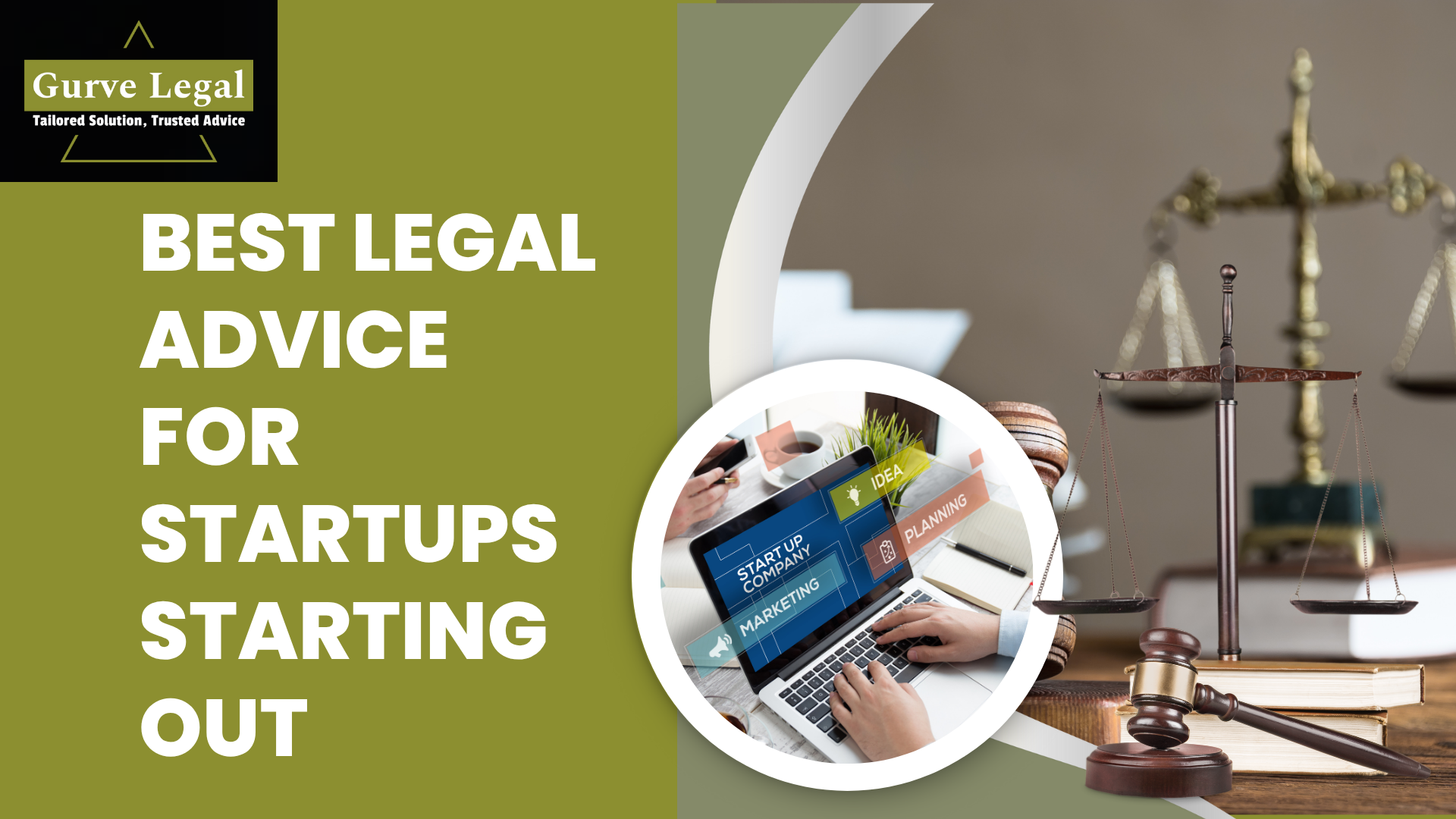
Best Legal Advice for Startups Starting Out

Best Legal Advice for Startups Starting Out

Starting a business is a bold and exciting journey, but it also comes with serious legal responsibilities. From incorporating your company to protecting your ideas, ignoring the legal side of things can cause expensive setbacks. That’s why seeking legal advice for startups early on is not just wise—it’s essential. This guide outlines the key areas where startups need legal guidance and shows how trusted firms like Gurve Legal can help you build your business on a solid legal foundation. Why Startups Need Legal Advice Early Startup founders are often focused on building a product or acquiring users, but neglecting legal details can lead to costly errors. The right legal guidance can help you: Select the best business structure Protect intellectual property Draft strong contracts Stay compliant with laws and regulations Prepare for investor scrutiny Avoid internal disputes In short, having a legal plan in place sets you up for sustainable growth and long-term success. Key Legal Areas for Startups Let’s break down the core legal areas where startups typically need help. 1. Business Formation Choosing the right structure for your startup affects taxes, liability, and how you raise funds. Common options include: Sole Proprietorship Limited Company (LTD) Limited Liability Partnership (LLP) An experienced startup lawyer can help you select the right type based on your vision and needs, and file all the necessary paperwork with the appropriate authorities. 2. Founders Agreement If you’re starting your business with co-founders, a well-written agreement can prevent serious issues down the road. This document outlines: Each founder’s roles and responsibilities Ownership percentages Decision-making processes Equity vesting schedules Exit plans A clear agreement can help avoid misunderstandings and legal disputes as your startup grows. 3. Intellectual Property (IP) Protection For many startups, the most valuable asset is their idea or technology. Without proper protection, someone else could profit from your work. Types of IP protection: Trademarks for your brand name or logo Copyrights for content, code, or designs Patents for inventions Trade secrets for proprietary methods or data Legal guidance ensures your ownership is documented, registered, and defensible. 4. Employment and Contractor Agreements Whether you’re hiring full-time employees or working with freelancers, legal documentation is essential. Important documents include: Employment contracts Independent contractor agreements Non-disclosure agreements (NDAs) IP assignment clauses Offer letters and termination policies These agreements help protect your business and clarify expectations for everyone involved. 5. Regulatory Compliance Depending on your industry, there may be laws and regulations you must follow, even in the early stages. Common examples: Data protection rules (GDPR, CCPA) Financial services regulations E-commerce laws Health and safety standards A startup-savvy lawyer will help you identify and meet these requirements. 6. Contracts and Terms of Service Contracts help define your business relationships and protect your rights in case something goes wrong. A startup lawyer can draft: Customer contracts Vendor agreements Website terms and conditions Privacy policies Even if you’re just starting out, clear and enforceable contracts will save you from future disputes. 7. Fundraising and Investor Agreements When you begin raising money from investors, clear legal documents are essential. Investors want reassurance that their investment is safe and that the company is legally sound. Legal documents often include: SAFE agreements Convertible notes Term sheets Shareholder agreements Cap tables Having a lawyer prepare or review these documents can give investors confidence and help you avoid giving away too much equity too early. Gurve Legal: Legal Support Built for Startups Gurve Legal is a modern law firm helping startups and entrepreneurs navigate complex legal challenges with clarity and confidence. While based in London, Gurve Legal supports businesses globally with services built around transparency, efficiency, and founder needs. What Makes Gurve Legal a Great Partner Flat-Fee PricingStartups hate surprise bills. Gurve Legal offers flat-fee legal packages tailored for early-stage companies. Efficient, Tech-Enabled ServicesDigital onboarding, virtual consultations, and fast turnarounds make Gurve Legal a good fit for remote teams and fast-paced startups. Founder-Friendly FocusFrom idea to execution, Gurve Legal offers practical, strategic legal guidance designed to support long-term growth. Comprehensive Legal SupportWhether you need help incorporating, protecting IP, or drafting investor agreements, Gurve Legal can support every stage of your startup journey. Common Legal Mistakes Startups Make Avoiding legal pitfalls starts with being aware of them. Here are some of the most common mistakes entrepreneurs make: Not forming a legal entity Failing to protect intellectual property Skipping contracts or using generic templates Mixing personal and business finances Ignoring employment laws Not preparing for fundraising properly These mistakes are avoidable with early legal advice—and fixing them later can be expensive and time-consuming. How to Get Started with Legal Support If you’re unsure where to begin, start by consulting a lawyer who specializes in startups. Many firms offer affordable legal packages or consultations that help you understand your options. Here’s how to prepare: Gather basic information about your business Make a list of questions or concerns Be ready to discuss your short- and long-term goals Ask about pricing and timelines The right legal partner won’t just give you documents—they’ll become a strategic asset in your startup’s growth. Final Thoughts Building a startup is a rewarding but complex process. Success depends not just on your product or team, but also on how you protect and structure your business from day one. Seeking the right legal advice for startups can save you money, reduce risk, and position your business for long-term growth. Whether you’re launching your MVP, hiring your first team member, or talking to investors, legal clarity is power. Firms like Gurve Legal provide modern, startup-friendly legal solutions that help entrepreneurs focus on what they do best—building.
Read More
Commercial Lease Agreements

Commercial Lease Agreements: 7 Red Flags to Watch For

Commercial lease contracts could send business owners into a dizzying spin. If you rent office space, a storefront, or industrial property, the terms of this lease would very much affect the financial health and operational flexibility of your business. Perhaps a great deal becomes compromised when startup entrepreneurs rush to sign contracts, only later fully appreciating the consequences. It helps, therefore, to get in touch with commercially savvy legal counsel for a professional read-through and review and to find those glaring signs pointing that the landlord’s provision is asking for certain provisions from your corner. 1. Vague or Ambiguous Lease Terms A lease agreement is not only about a piece of writing agreeing to terms and conditions. Rather, it should set out the rights and responsibilities of both parties. However, a verbose leasing agreement may not address problems with escalated rent, maintenance issues, or permitted property uses. Hence, when such uncertainties arise, expect difficulties in later days. An agreement created by both parties will leave no room for personal interpretation and only requires the two to honor it immediately. 2. Hidden Costs and Unclear Payment Structures Besides the base rent, commercial leases often come with additional fees, such as Common Area Maintenance (CAM) fees, property taxes, and insurance, etc. The issue with such charges is that they can run out of proportion if not itemised or capped. Make sure the payment structure is transparent and that some commercial legal advice can support caps or exclusions in negotiation. “ If a metaverse is simply a series of interconnected virtual worlds, you could argue that there’s been very kind of clunky metaverses in the military since the 90s ”by Helen Smith 3. Automatic Renewal Term Automatic renewal term refers to a period for which the lessee is locked into a lease term unless it (prescribed between 6 to 12 months) opts for early termination. Failing to give cancellation or notice then or earlier can bind your business to an unfriendly agreement. Commercial law firms can nullify these clauses and set reasonable notice terms. 4. Restrictive Usage Clauses Some leases place restrictions on whether you can actually use the facility, impeding the shift of your business line or the expansion of your services. It is quintessential to have commercial legal advice in such a scenario so as to harmonise with the business goals to negotiate rights restricting such usage. 5. Inadequate Maintenance and Repairs A lease can be unfair if it shifts the maintenance burden to a tenant (like one-sidedly holding the tenant responsible for all structural repairs), thereby growing to require completely unexpected monetary obligations. A responsible party, HVAC system, and codes to comply with should be clearly laid out in your lease form before you sign the dotted line. 6. Unfair Termination or Eviction Processes Be on the lookout for overly onerous termination clauses or unilateral rights to evict on the part of the landlord. Negotiate terms that include agreed conditions allowing for early termination (business closure, relocation, etc.) of the lease. 7. Absence of Dispute Resolution Mechanisms In the absence of clear resolution procedures built into the lease (AR: mediation, arbitration), an emanation of litigation could ensue, enveloped in costs. Be sure that the lease sets forth an inclusive system for dispute resolution. The Reason Why Professional Guidance Justifies Commercial leases are legal documents and legally binding contracts that will have longer terms, including lifespan. Commercial law firms can show you hidden risks and negotiate for more favorable terms on your behalf. They will save your business from draining financial and legal headaches. Invest properly in commercial legal advice upfront. FAQs 1. Why consult a commercial law firm before signing a lease? Well, a commercial law firm specializes in articulating risky clauses, negotiating terms, and ensuring your lease is a perfect match with your business needs. Expertise is highly useful in avoiding expensive disputes and unexpected obligations. 2. How can I negotiate hidden costs in a commercial lease? Request a detailed breakdown of all fees and negotiate caps on variable expenses like CAM charges. A lawyer providing commercial legal advice can draft clauses to limit your liability. 3. What if I miss the deadline to opt out of an automatic renewal? You may be legally bound to the extended term. Always calendar deadlines and work with a commercial law firm to include tenant-friendly notice periods. 4. Can a restrictive use clause be modified? Yes! Landlords may agree to broader language if you demonstrate how it benefits both parties. Seek commercial law advice to draft flexible terms. 5. What happens if the landlord breaches the lease agreement? Your lease should outline remedies, such as rent abatement or termination rights. A commercial law firm can help enforce these terms through negotiation or litigation.
Read More
Corporate Legal Services

How Can Corporate Legal Services Save Your Business During a Recession?

Economic downturns are a trial for even the most solid businesses. While firms cut costs during the recession, many ignore one fundamental solution: corporate legal services. Having an alliance with an experienced corporate law firm like Gurve Legal will help your company wade through the financial storm, thereby minimising risk and aiding recovery. In this guide, how corporate legal advice can be put to good use in protecting a business from a recession will be discussed with some specific techniques and examples of true success stories. 1. Risk Management and Contract Review: Strengthen Your Legal Foundations Recessions typically uncover weaknesses in business agreements, partnerships, and vendor contracts-all of which need thorough contract audits by a corporate law firm in order to: Identify those terms that are not beneficial (for example, automatic renewals and penalty fees). Arrange payment timelines with suppliers in accordance with restrictions in cash flow. Establish more robust force majeure clauses to cater for times of recession caused interruptions like delays in supply chains. Case Study: A mid-sized manufacturing entity renegotiated 15 vendor contracts with Gurve Legal’s guidance, saving 22% in operational costs and averting $500k in penalties during the slump of 2020. Action Plan: Audit all active contracts (vendors, clients, partners). Prioritise high-risk agreements for renegotiation. Use standardised templates for future contracts. 2. Cost-Efficient Restructuring: Optimise Operations During downturns, organisations may be compelled to downsize, merge, or sell assets. Corporate legal services help clients navigate through the intricacies of restructuring while additionally ensuring compliance with relevant regulations: Labor statutes (such as notice requirements of the WARN Act for mass layoffs). Tax considerations pertaining to asset sales or consolidation of entities into a single one. Regulations governing approvals of mergers or acquisitions. Typical Strategies: Streamline Business Processes: In-house operates subsidiaries so that overheads can be eliminated. Layoff Policy: Prepare all necessary layoff documentation to avert the risk of wrongful dismissal claims. Monetise Assets: This would involve selling non-operational investments for cash, such as phantom patents and real estate. “ If a metaverse is simply a series of interconnected virtual worlds, you could argue that there’s been very kind of clunky metaverses in the military since the 90s ”by Helen Smith 3. Debt Management and Financial Conduct: Bankruptcy Avoidance The cash flow constraints ultimately lead to mounting debts and creditor disputes. Corporate legal advice helps businesses: Negotiate deferred payment plans with lenders. Making debt restructuring through alternatives to Chapter 11 (eg, debt-for-equity swaps). Ensure compliance with the requirements of financial regulations that would continually change (eg, SEC reporting, IRS). Red Flags to Address Early: Missed loan payments. Creditor demands for collateral. Rising interest rates on existing debt. 4. Dispute Resolution and Litigation Avoidance: Protect Your Reputation Recessions provoke disputes between clients, employees, or partners. Corporate law firms can: Mediate disputes through arbitration or negotiation (save 50-70% against litigation). Prepare airtight NDAs to safeguard sensitive information on partnerships. Defend against lawsuits, eg, breach of contract, IP infringement. Common Recession-induced Disputes: Client refunds or cancellations. Employee claims of non-paid wages or layoffs. Vendor contract disputes. 5. Strategic Planning for Long-Term Recovery-Lay a Foundation for a Resilient Future Well, corporate legal services would do the work of businesses beyond crisis management in planning for growth after a recession: Refresh governance frameworks that would mirror the changed post-recession market. Sources of funding should now be through compliant channels such as venture capital and government grants. Translate to new markets with legal securities (e.g., international trade compliance). Post-Recession Checklist: Revisit those shareholder agreements. Audit compliance. Secure new IP rights for products. What Makes Gurve Legal Unique Our corporate legal services deploy current methods with a recession-tested expertise approach at Gurve Legal. From optimising contracts to managing crises, we have supported over 200 businesses in withstanding downturns and growing. Our Differentiators: Proactive Risk Assessment: Take notice of the threats before they become serious. Fixed-fee pricing: It ensures a certain cost. 24/7 Legal Assistance: Availability of lawyers at the time of intense negotiations. FAQs 1. How can a corporate law firm reduce operational costs? A law firm audits contracts to eliminate wasteful terms, negotiates vendor discounts, and streamlines compliance processes. For example, Gurve Legal saved a retail client $300k annually by reworking supply chain agreements. 2. What are the top 3 legal risks during a recession? Contract breaches due to cash flow issues. Non-compliance with rapidly changing regulations. Employee lawsuits from layoffs or wage cuts. 3. Can legal services help secure government relief funding? Yes! Firms like Gurve Legal assist with applications for grants, loans, or tax deferrals (e.g., SBA programs) while ensuring compliance with eligibility criteria. 4. How long does restructuring take with legal support? Most small-to-midsize businesses complete restructuring in 3-6 months with dedicated legal guidance. 5. What metrics prove the ROI of legal services? Track reductions in penalties, dispute resolution costs, and time saved on compliance. One client reported a 4:1 ROI within a year.
Read More
Dispute Resolution

Alternative Dispute Resolution in the UK: A Shift Towards Non-Court Solutions

Alternative Dispute Resolution is emerging as a key term among individuals and organizations in the United Kingdom for the more efficient, economical, and amicable settlement of their conflicts. With the demand for privacy higher than ever combined with court backlogs on the rise, mediation, arbitration, and negotiation are giving shape to the means by which individuals pursue resolution for their legal disputes, or Property disputes law. It is important for businesses in tricky positions to understand this shift, as are property owners embroiled in conflict. Non-court alternatives are preferred. Below are the ways a contestation lawyer or property dispute expert in London will protect your interests. What is Alternative Dispute Resolution (ADR)? ADR is a generic term used to refer to activities, mediation, arbitration, and negotiation, whose differences and advantages can be determined based on the type of dispute. The working of disputes involves many complications that require uniquely fashioned solutions; hence, ADR stands for an out-and-out option for those wanting friendly and speedy solutions either for their own problems or for the problems of the companies involved. Types of Alternative Dispute Resolution Mediation- This is where a neutral third party helps to mediate discussions between the parties to encourage them to reach an agreement acceptable to both. This is particularly useful for disputes arising within the business and property realm, where maintaining relationships is a focal concern. Arbitration- This is a legally binding mechanism whereby an independent arbitrator makes a final ruling after consideration of the evidence from both parties. Arbitration is commonly used in commercial and property disputes scoping the law, where confidentiality and expertise in the subject matter are of the essence. Negotiation- A less structured and easier way of resolving disputes that occur when the parties themselves, either directly or through their lawyers, resolve the issue by negotiation without any outside assistance from third parties. “ If a metaverse is simply a series of interconnected virtual worlds, you could argue that there’s been very kind of clunky metaverses in the military since the 90s ”by Helen Smith The Reason for ADR Gaining Popularity in the UK Speed & Cost Efficiency Court cases sometimes take years with a huge bill for lawyers. Such cases often resolve themselves through ADR in a span of weeks or months and save costs up to 60%. Preserving Relationships It really encourages dialogue, which is a crucial factor in keeping business partners or landlords/tenants engaged in the long-term process. Confidentiality: Unlike public court records, ADR proceedings will remain in private spaces and will not endanger reputations in sensitive dispute legal matters. Control Over Outcomes: Solutions can be drawn up between the parties rather than risking the whole thing on an unpredictable judgment from the court. ADR in Action: Major Scenarios Settling Commercial Disputes: From partnership conflicts to breach of contract claims, a highly qualified business litigation lawyer will use ADR to: Negotiate fair settlements without inhibiting or ruining business ties. Avoid high-dollar litigation, which harbors wasted resources and productivity. Case Study: A tech startup based in London solved a dispute with shareholders through mediation in three weeks, thus avoiding a court battle for up to 12 months. Addressing Disputes Concerning Properties Property disputes law professionals apply ADR to such issues: Border disputes between neighbors. A landlord-tenant conflict resides with respect to lease or repairs. Inheritance conflicts in terms of jointly owned assets. Example: Mediation achieved the resolution of a boundary dispute that lasted a decade between two families in Surrey, amounting to savings of above £50,000 in legal fees. When to Involve A Legal Expert While ADR has a flexible approach, having an expert on your side shall ensure that: Strategic insight: A business dispute lawyer in London chooses which ADR process is best for your case. Legal compliance: An expert on property dispute law ensures that the agreements comply with UK law. Enforcement: Under the Arbitration Act 1996, arbitral awards are binding. The Digital Future of Dispute Resolution The government and the judiciary of the UK encourage ADR to ease court pressure. Reforms were recently introduced: for example, the new push from the Civil Justice Council for mandatory mediation identifies the direction – non-court-based resolution – as a permanent one. The earlier you embrace ADR, the more future-proof your legal strategy becomes. Talking the First Steps Towards Resolution Either you’re a company facing an issue of that contractual nature or a property owner stuck in a stalemate, but ADR presents a far brighter way forward. Rely on the Gurve Legal experts in the legalities of disputes, winning you fair, lasting outcomes without you ever stepping into a courtroom. Go on! Reach out to Gurve Legal! FAQs 1. What is Alternative Dispute Resolution (ADR)? ADR includes mediation, arbitration, and negotiation for moving away from court litigation. It is faster, cheaper, and more flexible compared to traditional lawsuits, thus suiting dispute legal matters in business or property. 2. How does ADR differ from going to court? Time: Weeks/months in ADR versus years in court. Costs: Up to 60% savings in fees. Confidentiality: Protects sensitive aspects of business or personal matters being handled in secret. 3. What disputes can ADR solve? ADR can handle an array of conflicts: Commercial conflicts (breaches of contracts to partnership disputes)with commercial dispute lawyers in London. Property disputes law cases (boundaries, landlord-tenant disagreements). Employment disputes, inheritance, and consumer issues. 4. Why is Gurve Legal for ADR? Skill: Our solicitors work in mediation, arbitration, and property dispute law. Tailored Strategies: Solutions are aligned with your goals-whether improving business relationships or resolving a dispute between neighbors. Record of Achievements: A proven track record for getting results quickly and effectively.
Read More
WhatsApp
Call Now